
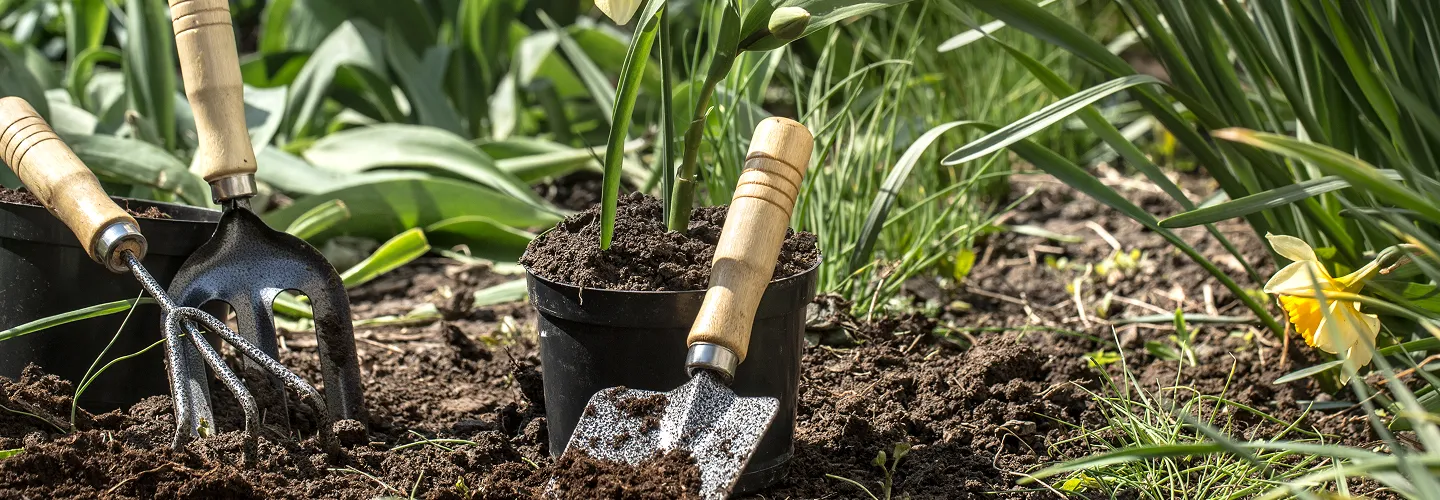
El Mirage Plant Removal Services
Choose our plant removal services for fast, reliable, and eco-friendly solutions that leave your property looking its best—handled by experienced professionals who care about your landscape.
Get a Free QuoteOur El Mirage Landscaping & Yard Care Services
When to Schedule Plant Removal in El Mirage, Arizona – Seasonal Guide
In El Mirage, Arizona, timing your plant removal is crucial for both the health of your landscape and the efficiency of the process. The region’s hot, arid climate and unique soil conditions mean that late fall through early spring is generally the best window for plant removal. During these months, temperatures are milder, and the risk of heat stress on your remaining plants is minimized. Neighborhoods near Gateway Park and the Dysart Road corridor often experience microclimates, so it’s important to consider local variations in shade and soil moisture.
El Mirage’s proximity to the White Tank Mountains brings occasional cold snaps, with frost dates typically falling between late December and early February. Scheduling plant removal before the onset of extreme summer heat or after the last frost helps prevent soil compaction and supports healthy regrowth. Additionally, local regulations and environmental guidelines—such as those outlined by municipal resources—should be reviewed to ensure compliance and protect native habitats.
Local Factors to Consider for Plant Removal in El Mirage
- Tree and shrub density in your yard
- Soil type (sandy, clay, or loam) and drainage
- Proximity to landmarks like Gateway Park or El Mirage Lake
- Seasonal precipitation and drought risk
- Shade coverage from nearby structures or mature trees
- Municipal restrictions or permit requirements
- Accessibility and terrain (flat lots vs. sloped areas)
Benefits of Plant Removal in El Mirage
Enhanced Curb Appeal
Improved Plant Health
Reduced Pest Infestation
Increased Usable Space
Efficient Water Usage
Professional and Safe Removal
El Mirage Plant Removal Types

Tree Removal
-
Shrub Removal
-
Stump Grinding
-
Weed Removal
-
Sod Removal
-
Invasive Species Removal
-
Root Extraction
Our Plant Removal Process
Site Evaluation
Preparation and Safety Measures
Plant Extraction
Debris Removal
Site Restoration
Why Choose El Mirage Landscape Services
-
El Mirage Homeowners Trust Us
-
Expert Lawn Maintenance
-
Reliable Irrigation Solutions
-
Competitive Pricing
-
Professional Team
-
Satisfaction Guarantee
-
Personalized Service
Coordinating Plant Removal Disposal and Site Cleanup in El Mirage
Plant removal in El Mirage requires coordination with municipal departments that oversee debris disposal, drainage protection, and right-of-way maintenance. Residents and property managers should verify current bulk pickup and green waste collection procedures through the city before scheduling removal work, as organic debris from shrubs, groundcover, and ornamental plantings must be handled according to local disposal guidelines. Removed plant material should never be deposited in washes, retention basins, or storm-drain inlets. When plant removal occurs near public sidewalks, curb lines, or utility easements, the city's public works division can clarify right-of-way boundaries and any restrictions on equipment staging or debris placement.
El Mirage Public Works
Official Website: El Mirage AZ Public Works
Key coordination steps include:
- Confirming accepted green waste materials and container or bundling requirements before hauling debris to the curb
- Verifying whether commercial-scale plant removal projects require separate disposal arrangements at a licensed transfer station
- Ensuring that root balls, soil clumps, and organic matter are kept out of street gutters and curb inlets during and after removal
How El Mirage's Low-Desert Heat and Soils Affect Plant Removal
El Mirage sits within the Phoenix metro low desert, classified under USDA Hardiness Zone 9b, where summer temperatures routinely exceed 110°F and annual rainfall averages under eight inches. These conditions directly influence plant removal logistics and site stabilization. Soils across much of El Mirage tend toward alkaline sandy loam with subsurface caliche layers that can complicate root extraction and equipment access. Hardpan caliche may force root systems laterally, making removal footprints wider than expected.
- Caliche interference: Dense calcium carbonate layers at shallow depths can bind root masses, requiring mechanical extraction rather than simple hand pulling
- Post-removal erosion risk: Bare soil left after plant removal is highly vulnerable to wind erosion and monsoon sheet flow, particularly on lots adjacent to drainage corridors
- Reflected heat: Removal sites near block walls, concrete driveways, or south-facing exposures lose soil moisture rapidly, accelerating surface crusting and dust generation
- Monsoon runoff: Intense summer storms can mobilize loose soil and organic debris from unprotected removal sites into neighborhood storm-drain systems
Navigating El Mirage's Environmental and Stormwater Rules for Plant Removal
Plant removal activities in El Mirage must comply with stormwater protection standards that prevent sediment, organic debris, and chemical residues from entering the municipal storm sewer system. The city operates under Arizona DEQ Phase II MS4 requirements, which impose obligations on both the municipality and property owners to control pollutant discharge from land-disturbing activities. Any herbicide application used to treat remaining root systems or suppress regrowth must be performed by an applicator licensed through the Arizona Department of Agriculture. If removed plants include species listed on the state's noxious weed registry, disposal must follow protocols that prevent seed dispersal.
El Mirage Environmental Services
Official Website: El Mirage AZ Environmental Services
El Mirage Water Quality & Resources
Official Website: El Mirage AZ Water Quality & Resources
- Sediment and root debris must be contained on-site during removal; silt fencing or gravel berms may be necessary on sloped parcels
- Chemical stump treatments or soil sterilants require proper licensing and must not be applied where runoff could reach retention basins or wash channels
- Property owners should verify current zoning landscape requirements with El Mirage Planning & Zoning before removing plants that may fulfill minimum landscape coverage standards
Timing and Methods for Professional Plant Removal in El Mirage
Scheduling plant removal around El Mirage's extreme seasonal conditions improves safety, reduces site damage, and supports effective stabilization. The optimal removal window falls between late October and early April, when temperatures are moderate enough for extended outdoor labor and soil disturbance is less likely to generate excessive dust. Monsoon season, typically mid-June through September, presents the highest risk for erosion at freshly cleared sites and should be avoided for large-scale removal unless immediate stabilization measures are in place.
- Root-zone excavation: Mechanical removal of deep-rooted species such as oleander, African sumac, or mature palo verde requires equipment capable of penetrating caliche; hand removal is generally limited to shallow-rooted groundcover and annuals
- Site stabilization: Exposed soil should be covered with decomposed granite, rock mulch, or temporary erosion blankets within 48 hours of removal to prevent wind and water erosion
- Debris segregation: Separate green organic material from soil, rock, and hardscape debris to comply with disposal facility requirements
- Irrigation adjustment: Cap or reroute drip emitters and supply lines serving removed plants to prevent water waste and localized flooding
What Neighborhoods Do We Serve Throughout El Mirage, AZ?
- Thunderbird Farms: Larger rural-style lots in this area often contain mature ornamental plantings and overgrown vegetation requiring full root extraction and significant debris hauling
- Pueblo Del Sol: Newer subdivision development with compact lots where plant removal near block walls and shared fences demands careful equipment access and neighbor coordination
- Sierra Verde: Properties here may border drainage easements and retention areas, making post-removal stabilization and sediment control especially important
- Dysart Village: Established residential parcels with aging landscape plantings that may include invasive or water-intensive species targeted for removal and replacement
- Mirabel Village: HOA-governed properties where plant removal may require architectural review approval and adherence to community landscape standards before work begins